

The growth of e-commerce has changed the way we buy, providing ease and access to a seemingly infinite array of products and services. However, this online marketplace also has a shadowy counterpart known as darkweb markets. Operating underneath the surface of the internet, these secret platforms offer a range of items—some lawful but many unlawful—that address a diverse range of buyers.
Delving into the realm of the darknet reveals not only the attraction of privacy but also the more nefarious motivations behind these deals. From illegal drugs and stolen credentials to counterfeit bills and dangerous firearms, darkweb markets create a unique ecosystem where rules are minimal and risk is significant. Comprehending the dark side of e-commerce involves exploring these hidden markets and acknowledging their influence on society.
Summary of Dark Web and its Features
The darkweb refers to a part of the web that is not cataloged by traditional search engines and requires specialized applications to access. Most commonly associated with the Tor, the dark net provides a space where users can explore and communicate in secret. This privacy attracts various users, including those who wish to protect their identity, as well as those engaged in illicit activities. The dark web operates independently of mainstream internet protocols, making it a nexus for both beneficial and detrimental interactions.
Darknet markets are digital platforms located within the dark web that assist the exchange of merchandise and offerings, often involving unlawful or prohibited goods. These markets function similarly to commercial websites but with a focus on anonymity and safety. Users can buy numerous products, including drugs, arms, and illegally obtained information, usually using digital currencies to further hide their details. The design of these platforms allows for user reviews and ratings, creating a sense of reliability among buyers and sellers despite the illegal nature of the sales.
The functionality of dark web markets is heavily reliant on coding and decentralization, which helps to maintain the details of both buyers and sellers. Access to these platforms is typically provided through specific applications like specialized browsers, which masks user activity. This technological framework not only ensures confidentiality but also challenges law enforcement efforts to observe and manage activities within these environments. Despite their illegal nature, darkweb markets exhibit a unique economy characterized by a diversity of goods and an changing set of issues for authorities trying to combat the illegal trade.
Dangers and Risks of Darkweb Markets
Engaging with darkweb markets subjects users to a wide array of risks, mainly due to the anonymous nature of these sites. Participants often participate in forbidden transactions, which can lead to severe penalties if caught. Law enforcement agencies actively observe darkweb activities, and being found purchasing illicit items can result in prosecution. This hidden marketplace thrives on anonymity, but this very feature can render users easier targets for investigations.
Another notable risk is the likelihood for fraud and scams. Many sellers on darkweb markets are not trustworthy, frequently using fake identities to sell non-existent products. Buyers can quickly lose their funds without any means of redress, as traditional consumer protections do not exist in this environment. Additionally, poorly managed market sites may vanish overnight, taking users' funds and personal information with them, creating a sense of insecurity among those who take the risk to engage with these markets.
Moreover, the risk of coming across harmful or dangerous content is high on darkweb markets. Users may inadvertently stumble upon disturbing materials that can have psychological effects or derive from criminal activities. Furthermore, there is constantly a danger of exposure to malware and hacking attempts, as malicious actors may seek to take advantage of unsuspecting buyers. This overwhelming of array of threats makes it essential for individuals considering engagement with dark web markets to proceed with extreme caution.
Legal Issues and Regulatory Hurdles
The legal landscape surrounding darkweb markets is complex and constantly changing. Many operations conducted on these venues, such as drug trafficking, firearms transactions, and identity theft, are forbidden in most jurisdictions. This creates a major challenge for police forces, as they must navigate a patchwork of laws that differ greatly between nations. The obscurity provided by the hidden web complicates the detection of perpetrators and the legal action of crimes, making it difficult to establish jurisdiction and pursue legal actions.
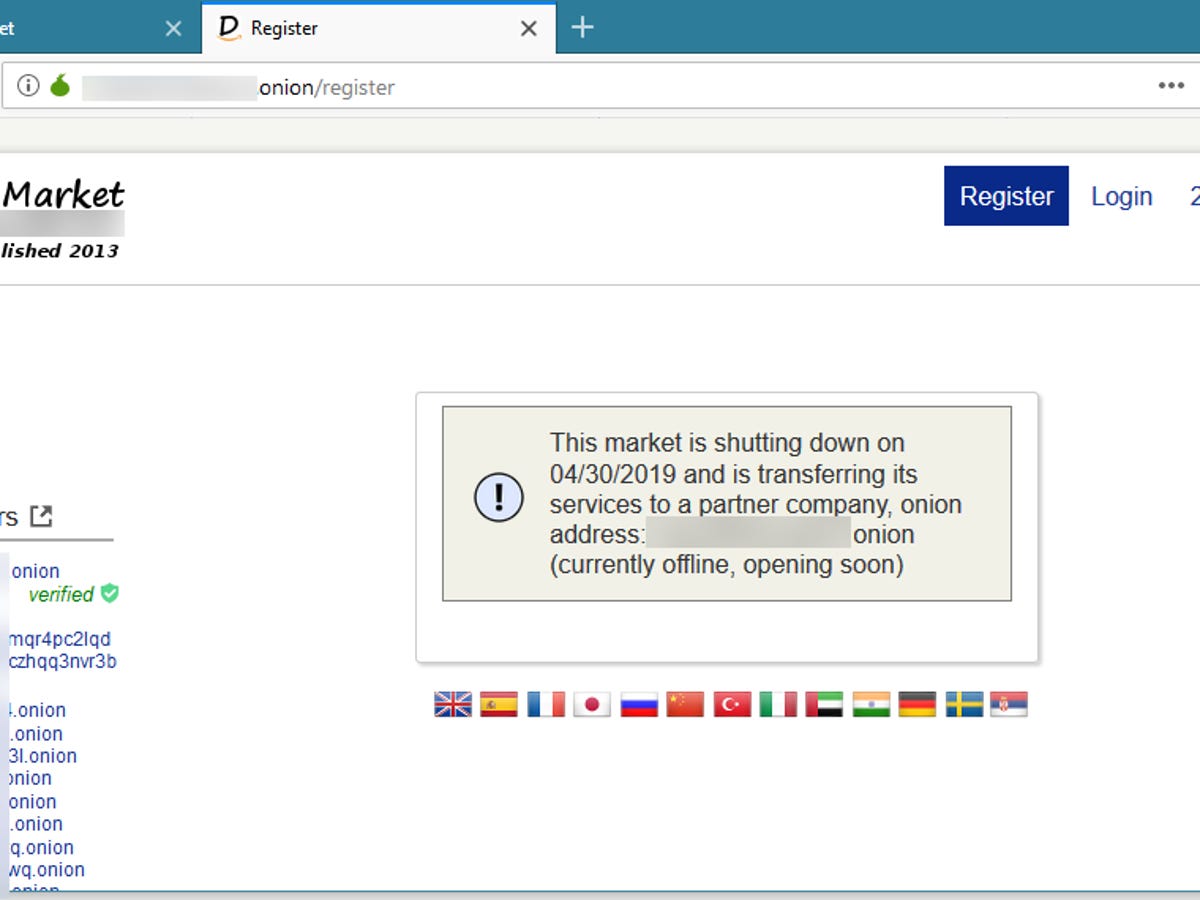
Regulatory actions are often impeded by the very nature of the darkweb's infrastructure. dark market list utilize crypto assets to facilitate transactions, further concealing the identities of purchasers and vendors. Additionally, these markets are commonly hosted on servers that can be relocated or shut down swiftly, leading to a pursuit between law enforcement and market operators. The ephemeral nature of these markets means that while one might be dismantled, others quickly emerge to fill the void, sustaining the loop of illegal operations.
Collaboration between global police organizations is vital to fighting dark web crimes. However, differences in legal frameworks and the issues with jurisdiction can cause delays and complications. As nations work to improve their legal systems and ability to address these offenses, the constantly evolving methods employed by dark web vendors remain a ongoing challenge. This continuing struggle highlights the requirement for strong legal systems and improved international cooperation to properly combat the shadowy aspects of digital trade.